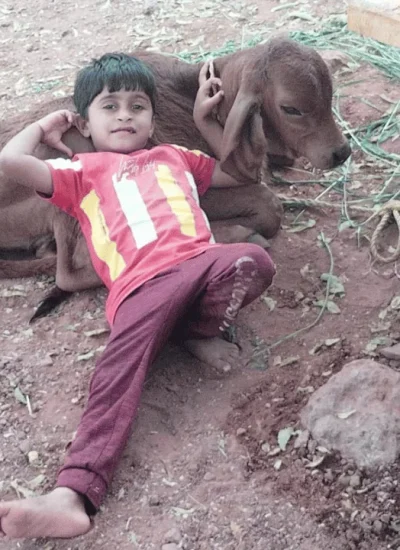
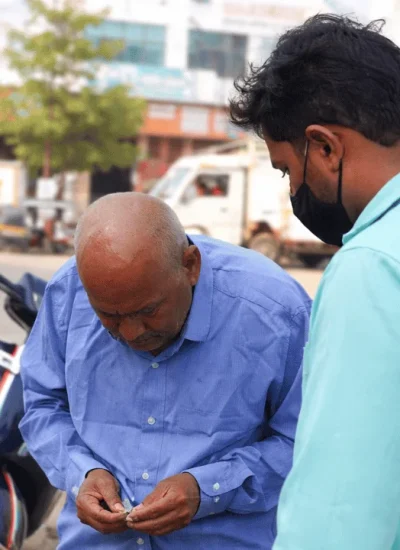
Through well-planned shelter, healthcare, farmer training, cattle protection, and sustainable rural development, ‘Aajol Parivar’ and the Late Nayana Tambe Gaushala rebuild stability, belonging, and long-term security for vulnerable lives.
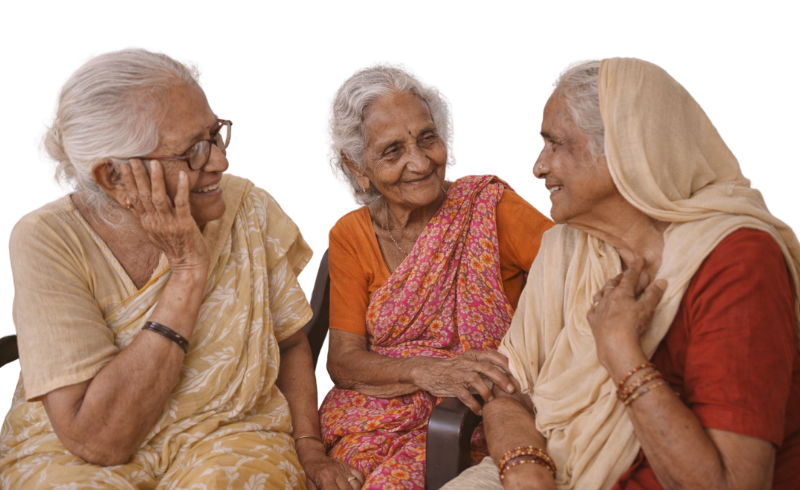
The word “Aajol” means a maternal home a place where belonging is not questioned. Our work is not relief-based charity. It is structured rehabilitation built on shelter, responsibility, and long-term rural sustainability. From old age care to organic farming initiatives, every effort is designed to create stability where neglect once existed. Each programme operates within a defined system that connects care, infrastructure, and community participation. By strengthening rural foundations, we reduce dependency and restore dignity through organised, accountable action. The aim is not short-term intervention, but a lasting environment where individuals and communities can stand with security and respect.
Rehabilitation Over Relief
We focus on long-term stability permanent shelter, education continuity, medical care, and sustainable rural infrastructure.
Responsibility With Transparency
With valid 12A, 80G, CSR registration, and statutory compliance, every contribution is directed toward defined and measurable impact.
Years of Experience
0+
⭐Dignity
🏠Shelter
🔄Rehabilitation
🛡️Responsibility
🌱Sustainability
🐄Cow Protection
👴Elder Care
📚Education Support
🌾Rural Development
🔍Transparency
⚖️Stability
🤝Respect
⭐Dignity
🏠Shelter
🔄Rehabilitation
🛡️Responsibility
🌱Sustainability
🐄Cow Protection
👴Elder Care
📚Education Support
🌾Rural Development
🔍Transparency
⚖️Stability
🤝Respect
Our Founder
Leadership With Purpose
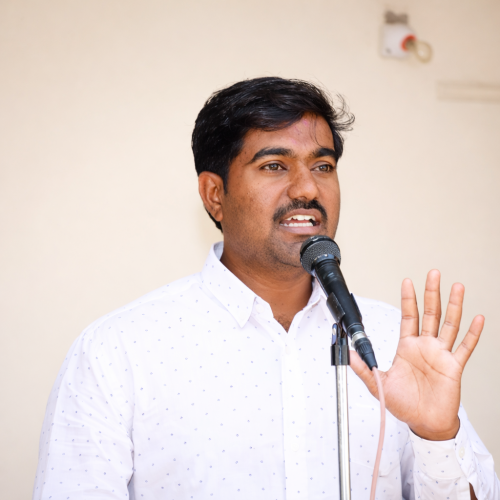
Aajol Parivar was founded by Karan Eknath Tambe with the vision of building a rural system that restores dignity to those left behind by economic and social shifts. His leadership focuses on structured expansion, compliance-driven operations, and sustainable rural development that integrates human and animal care.
From Founder's Desk
“समाज की पहचान उसके कमजोर लोगों के साथ उसके व्यवहार से होती है। आज़ोल परिवार की स्थापना हमने दया दिखाने के लिए नहीं, बल्कि जिम्मेदारी निभाने के लिए की है।
हमारा प्रयास है कि कोई भी बुज़ुर्ग अकेला न रहे, कोई भी बच्चा शिक्षा से वंचित न हो, और कोई भी गौ माता असहाय न रहे।
सेवा तभी सार्थक है जब वह स्थायी व्यवस्था में बदल जाए।”