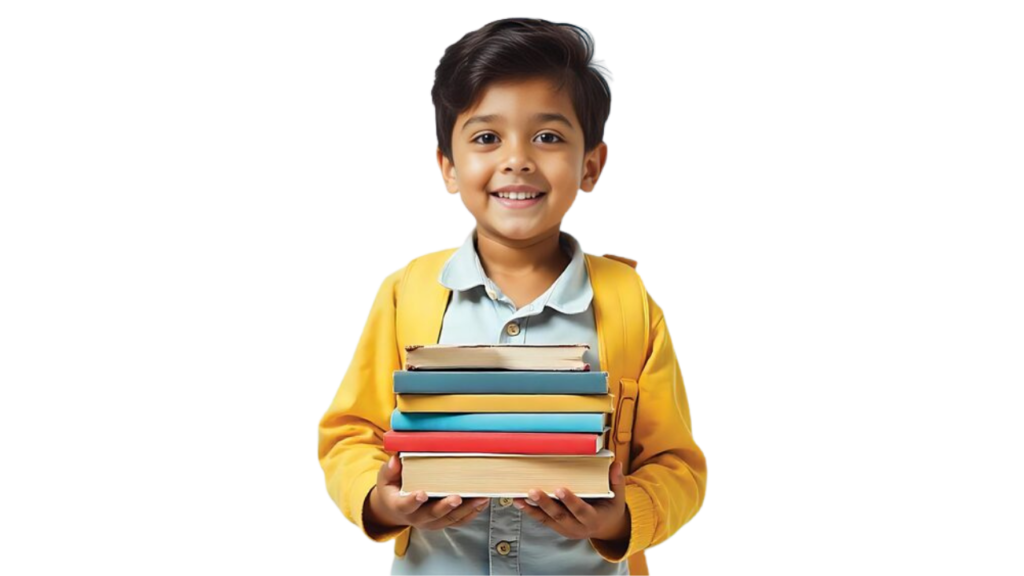
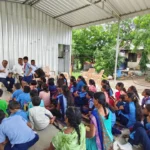
For many children in rural Maharashtra, education is not guaranteed. It depends on harvest cycles, family income, and whether there is someone at home who can afford to prioritise schooling over survival. When a parent passes away, abandons the family, or falls into financial crisis, the first sacrifice is often the child’s education.
The challenge is not lack of talent. It is lack of stability. Without school fees, study materials, safe shelter, and emotional support, children slowly drift away from classrooms. Over time, this leads to early labour, early marriage, or generational poverty that continues unchecked.
Aajol Parivar addresses this through its Orphan Support and Education Initiative. The focus is not limited to basic aid. It includes structured educational assistance for underprivileged and orphaned children, support for widowed and abandoned women, skill development opportunities, and the creation of youth reading spaces to encourage long-term learning habits. The goal is continuity ensuring that a temporary crisis does not permanently derail a child’s future.
Women empowerment is also central to this initiative. When a widowed or abandoned mother regains economic footing through support and skill training, the entire household stabilises. Education becomes possible again. Dignity returns not only to the child, but to the family unit.
Rural education support is one of the most powerful long-term investments in India’s social stability. When children stay in school, communities grow stronger. Structured rehabilitation, not one-time assistance, is what prevents vulnerability from repeating across generations.
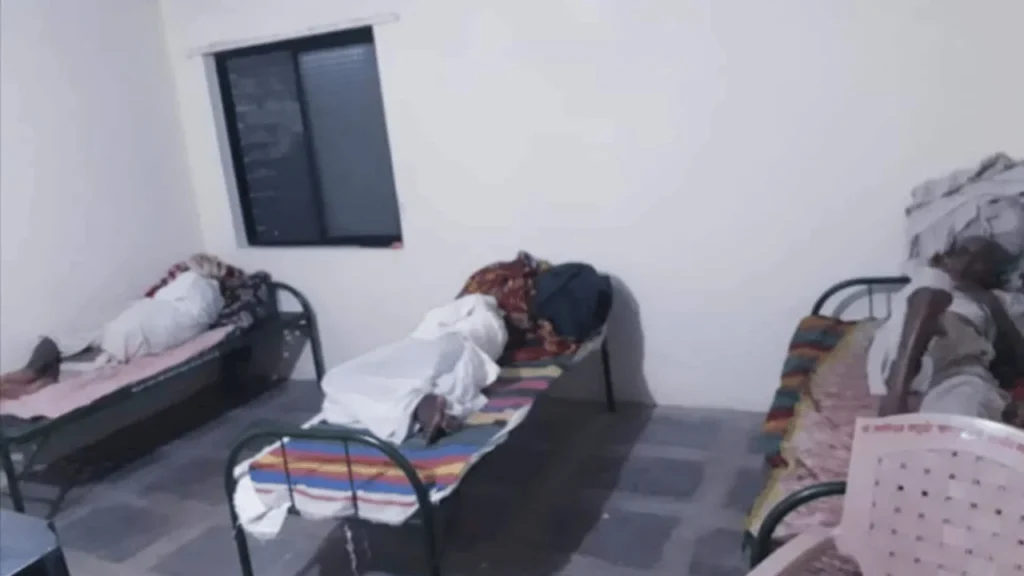
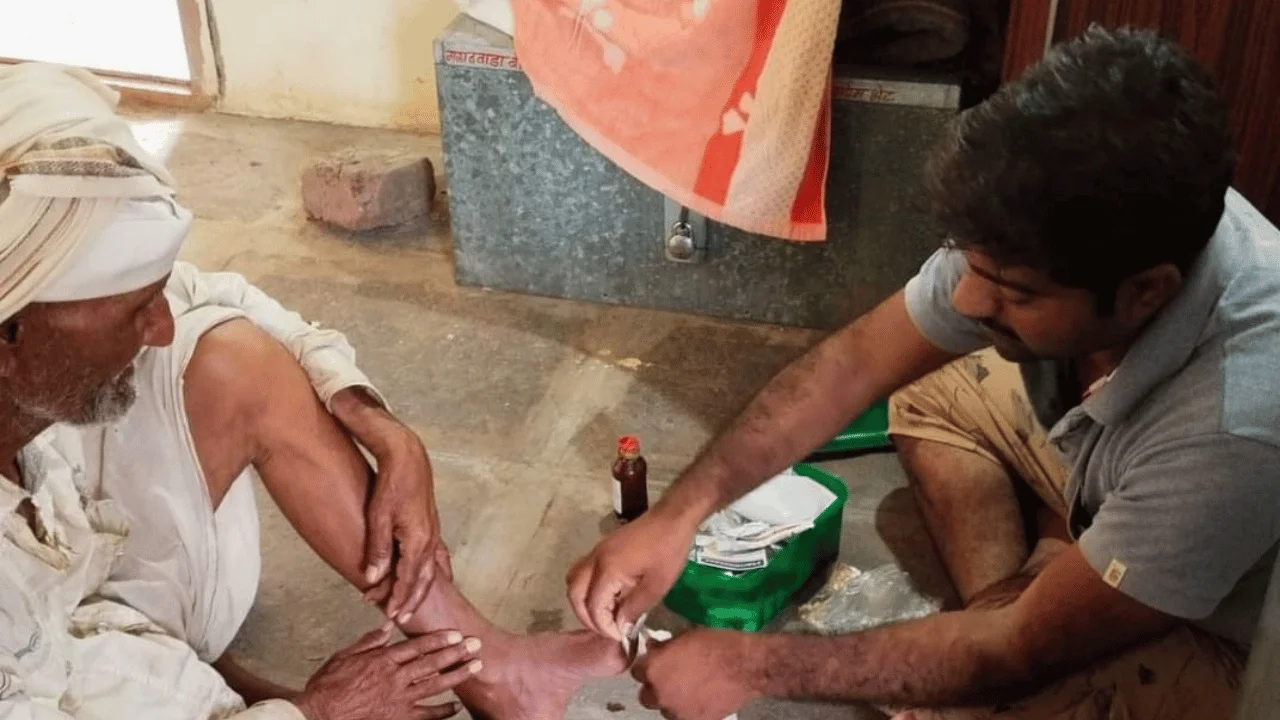
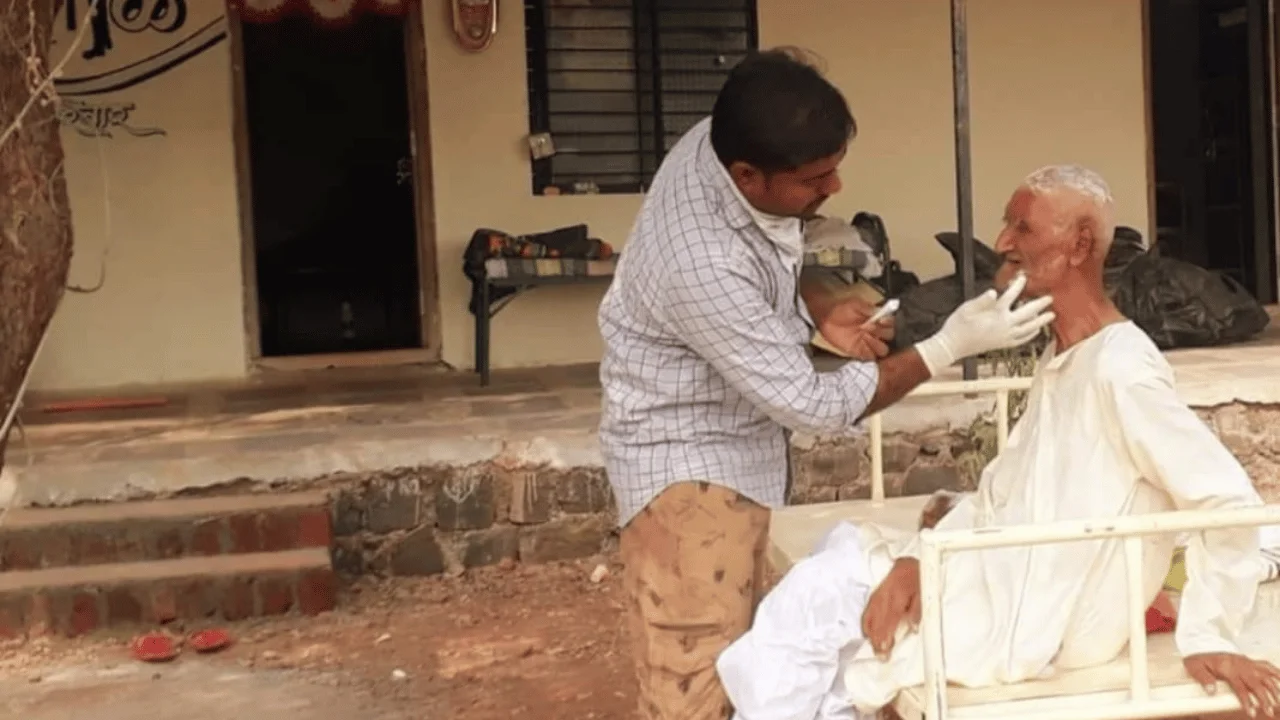
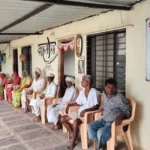
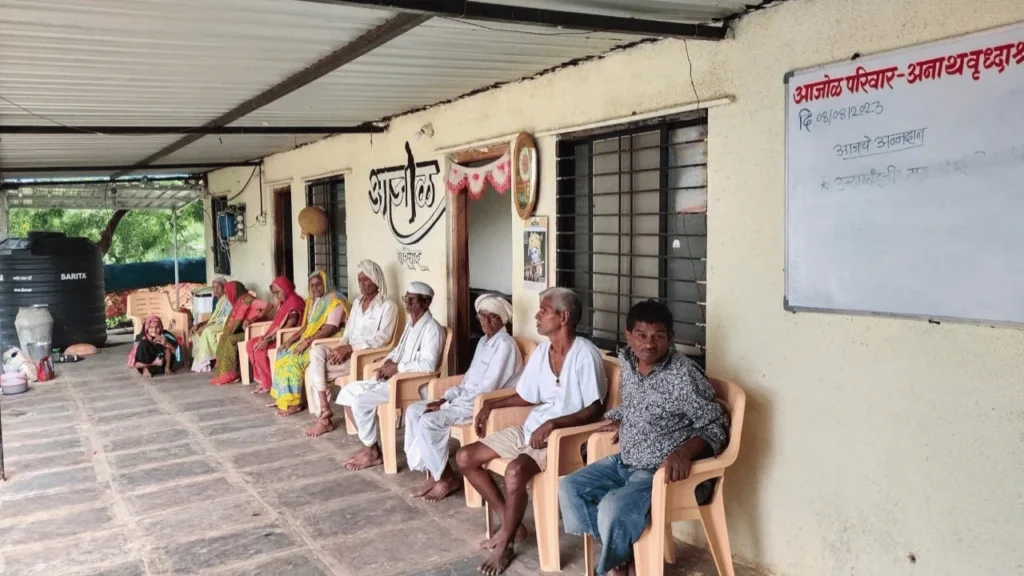
Growing old should bring comfort, not uncertainty. Yet across rural Maharashtra, many elderly parents.
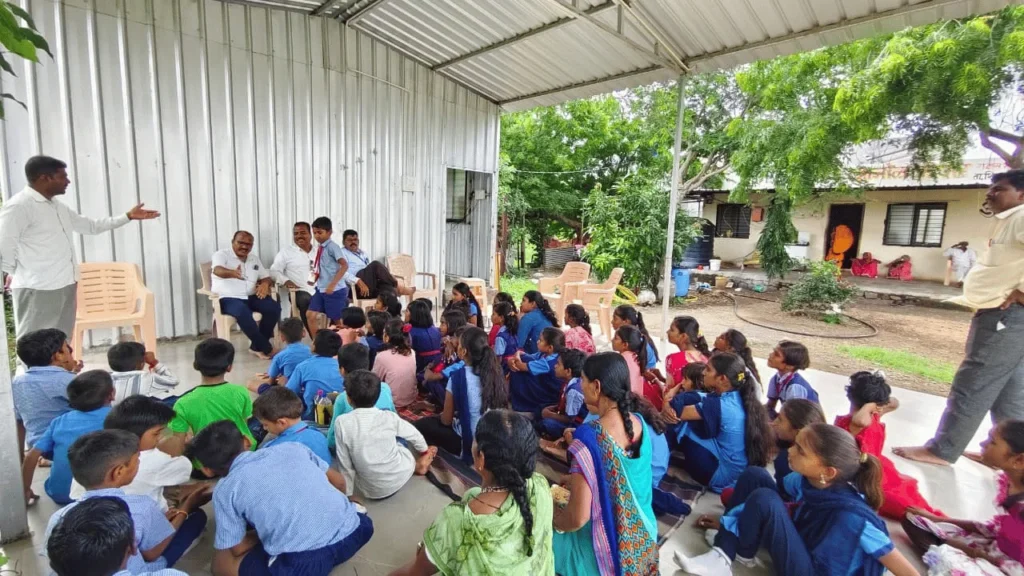
For many children in rural Maharashtra, education is not guaranteed. It depends on harvest cycles, family income.
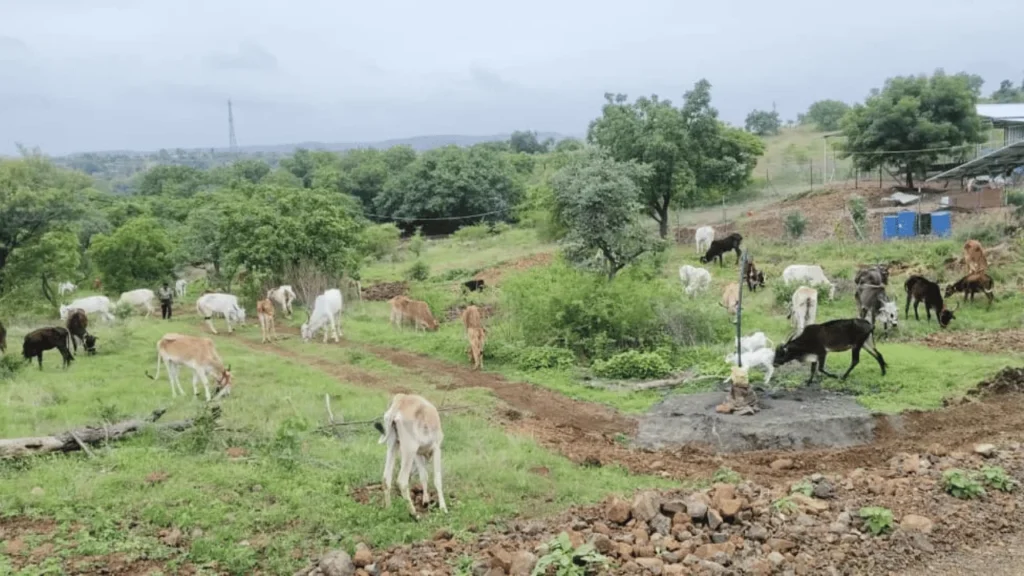
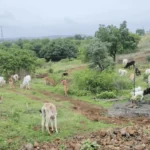
Across rural India, cows are often valued only while they produce. Once old, injured, or no longer economically viable