
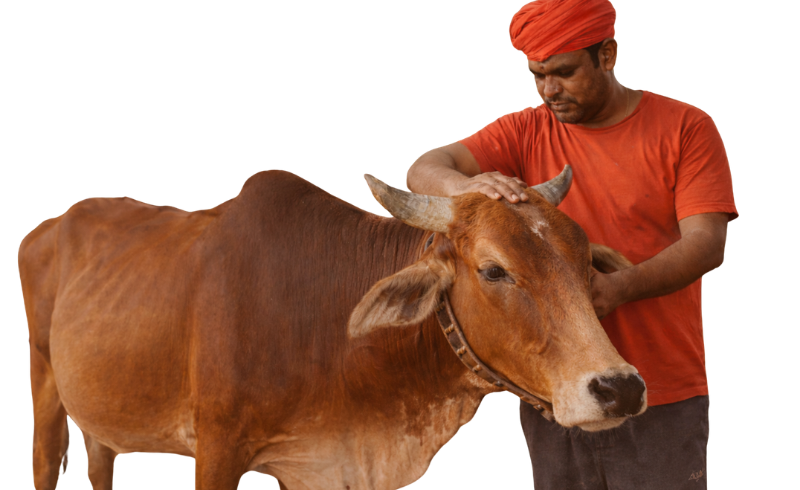
Across rural India, cows are often valued only while they produce. Once old, injured, or no longer economically viable, many are abandoned or sent toward slaughter channels. What was once considered sacred responsibility has increasingly become economic calculation.
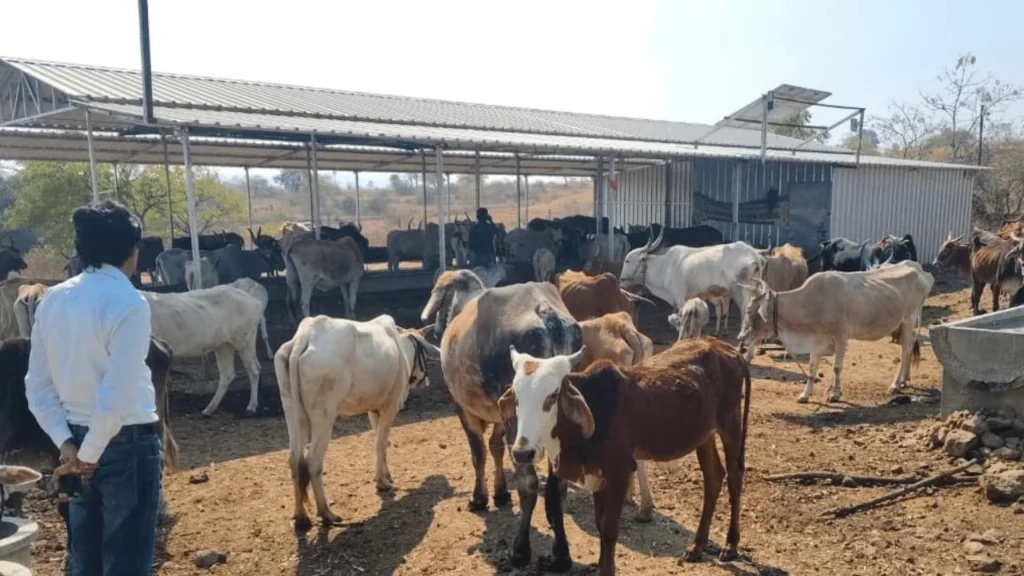
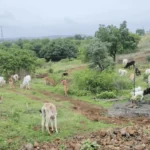
In districts like Beed, abandoned cattle wander without food, medical care, or shelter. Injuries go untreated. Malnutrition becomes common. The issue is not only religious or cultural it is structural. Proper cattle care requires land, fodder, medical access, and continuous funding.
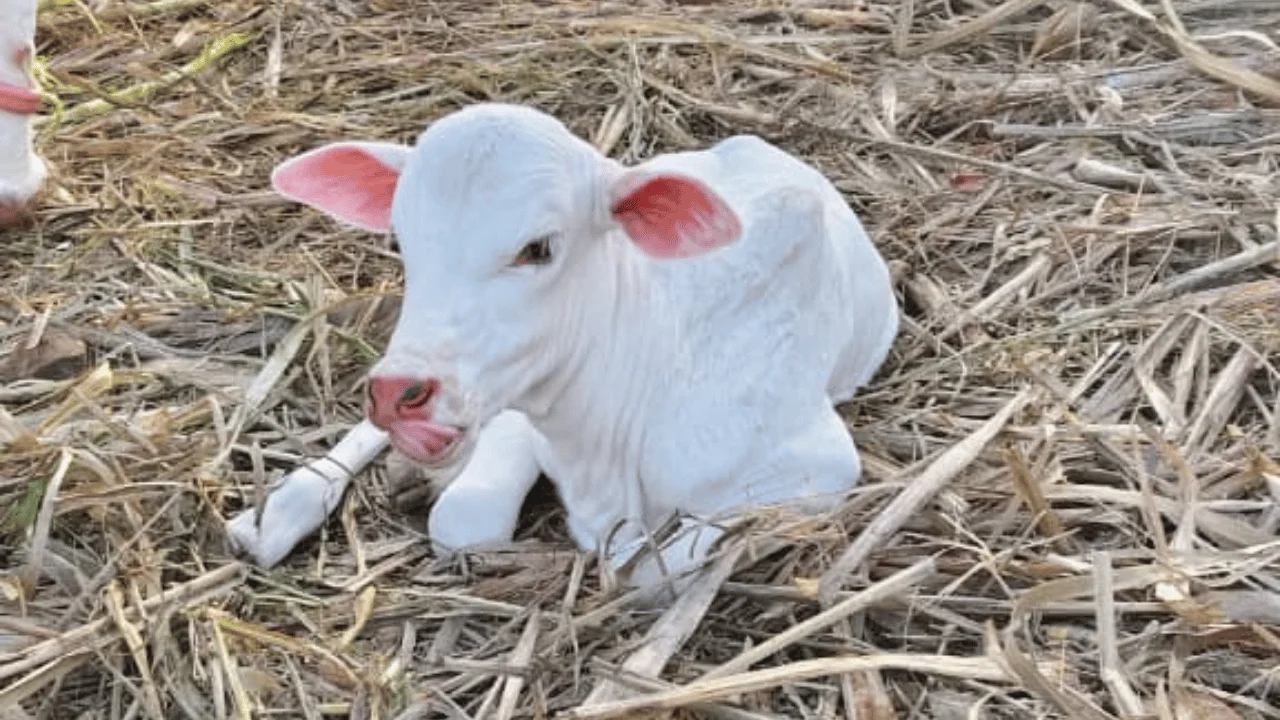
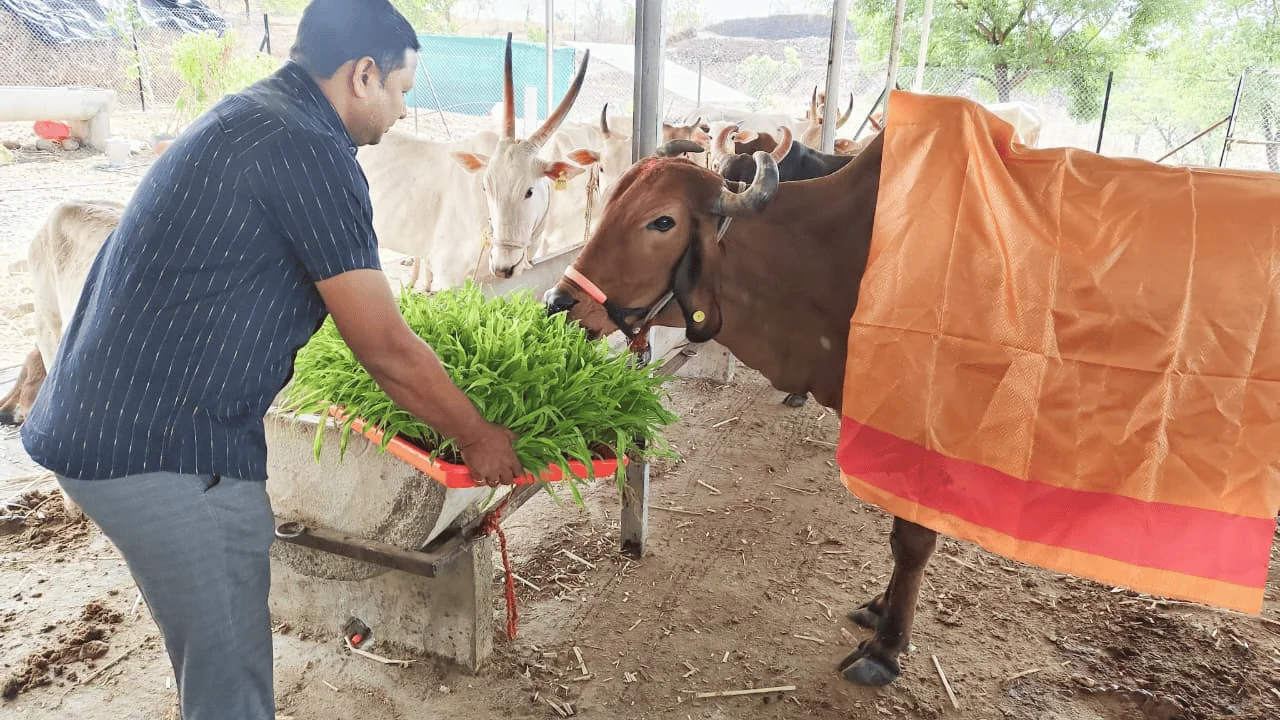
The K. Nayana Makarand Tambe Gaushala Project under Aajol Parivar was created to provide permanent refuge to rescued, injured, and slaughter-bound cows. The gaushala operates with a long-term care model that includes nutrition management, medical treatment, and safe shelter. Beyond protection, it integrates with organic farming efforts, ensuring that cattle care supports rural sustainability through natural manure and eco-friendly practices.
Maintaining a gaushala requires consistent resources — fodder supply, medicine, shed construction, equipment like fodder cutters and mini tractors, and infrastructure such as gobar gas plants to serve community kitchens. Cow adoption programs and monthly feed support models allow individuals and CSR partners to participate transparently in this responsibility.
Cow protection is not symbolic. It demands structured systems and sustained commitment. When managed responsibly, a gaushala becomes more than a shelter — it becomes part of a rural sustainability model that protects animals while strengthening the surrounding community.
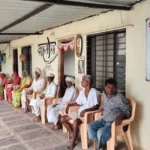
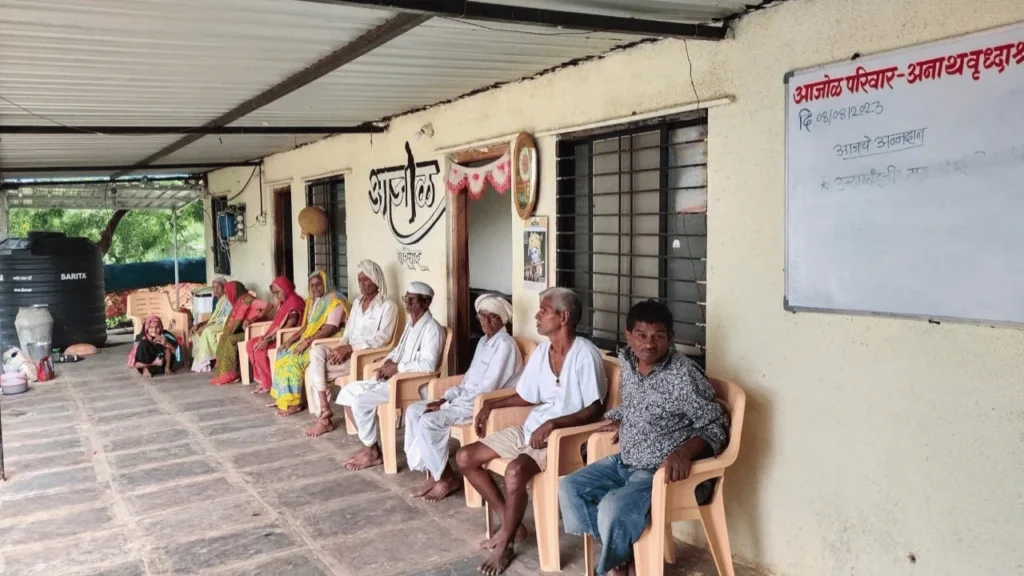
Growing old should bring comfort, not uncertainty. Yet across rural Maharashtra, many elderly parents.
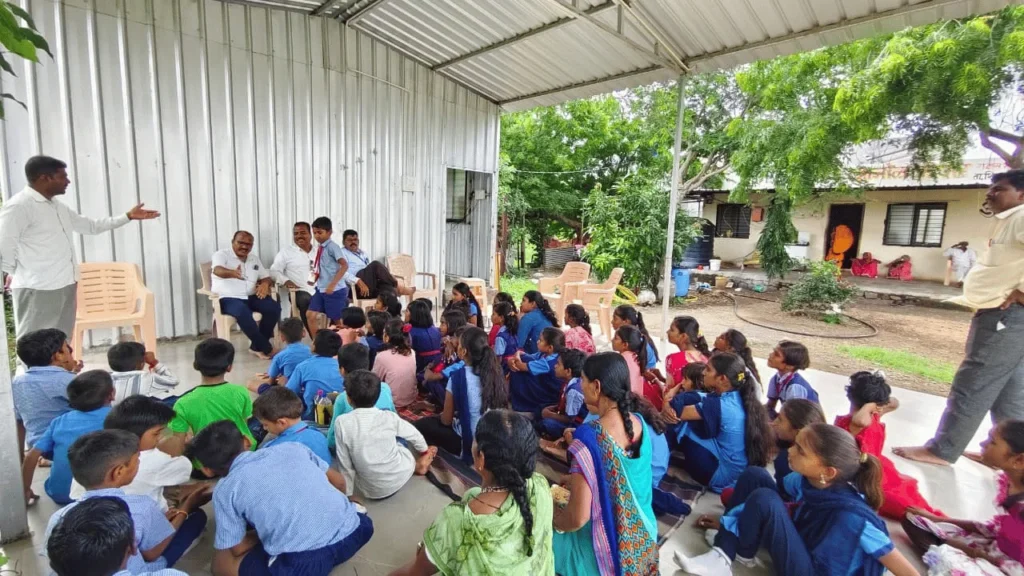
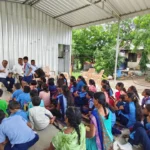
For many children in rural Maharashtra, education is not guaranteed. It depends on harvest cycles, family income.
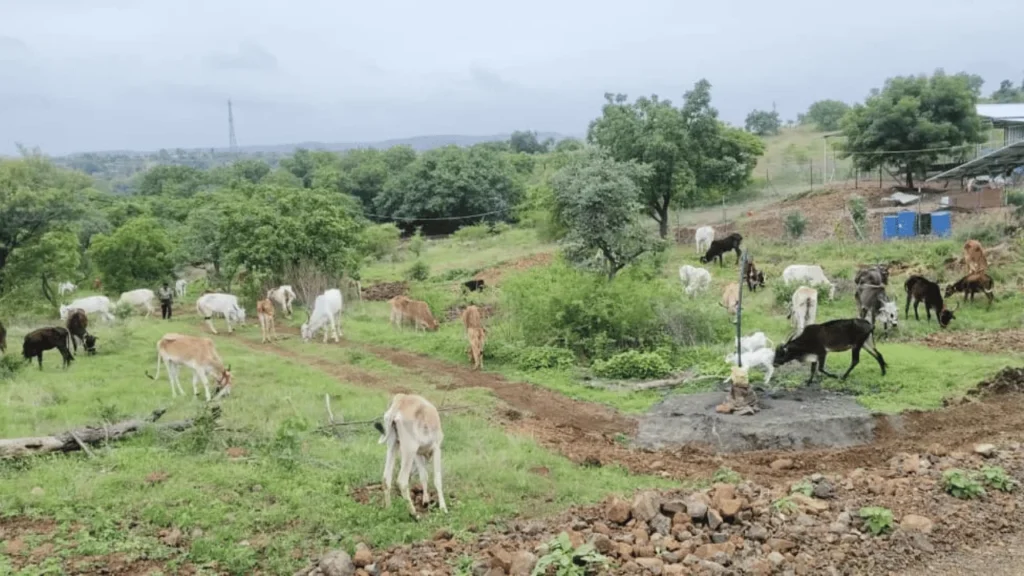
Across rural India, cows are often valued only while they produce. Once old, injured, or no longer economically viable